 Image Gallery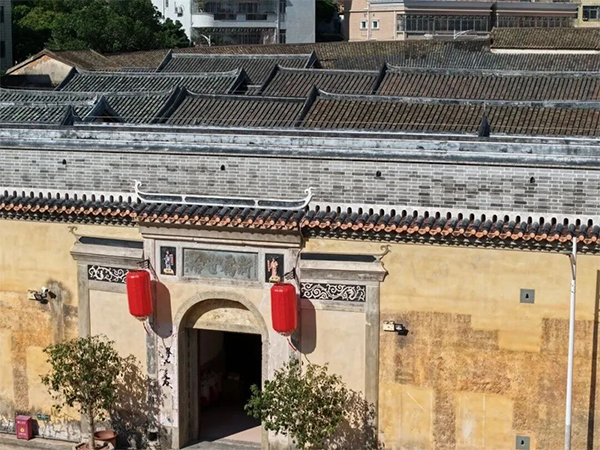
Xinqiao Ancestral Residence in Pingshan District. Photos from Pingshan Media Center
Built in 1753 by the Huang family in Kengzi, Xinqiao Ancestral Residence is a residential compound featuring Hakka walled houses, four watchtowers, a half-moon pond and a threshing ground — typical in the Huiyang and Shenzhen region during the 17th-18th centuries.
The name “Xinqiao” literally means “new relocation,” reflecting the family’s hope of founding a new home. The syllable “qiao” is also a homophone of the Chinese character for “bridge,” referring to a newly built arch bridge near the residence and highlighting a local geographic feature.
Following meticulous renovation in recent years, the residence has been transformed into a cultural block that preserves the rustic character of its traditional architecture while infusing it with new vitality. It now serves as a spiritual home for Xinqiao descendants both at home and abroad.
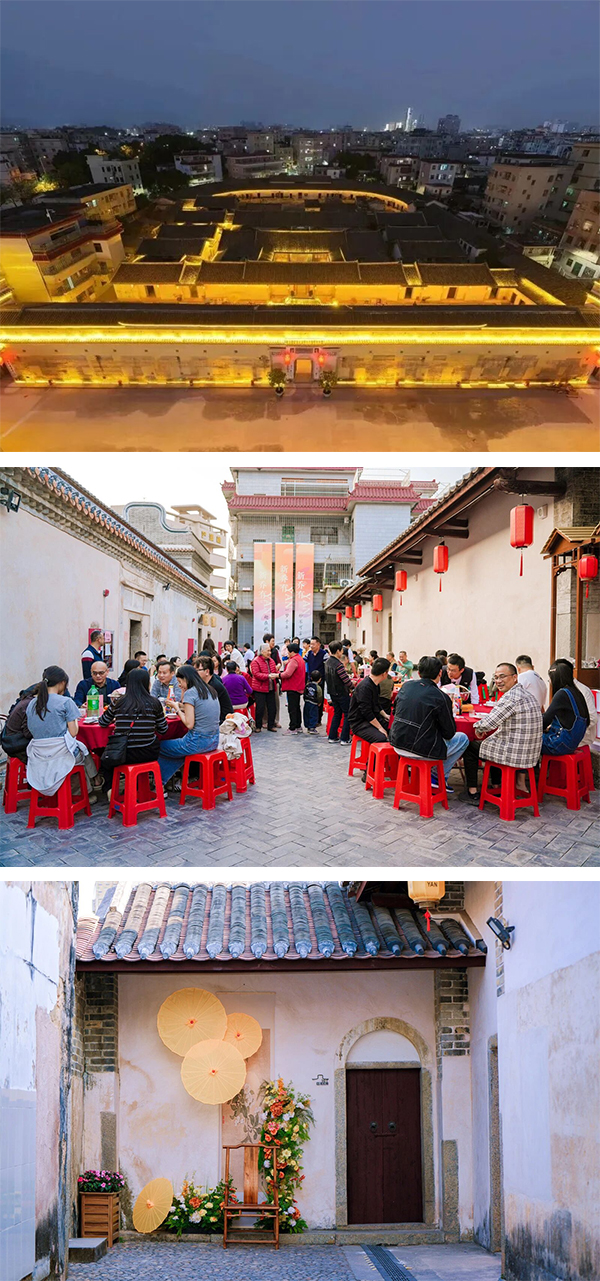
During the New Year’s Day holiday in 2026, the site hosted a series of events to mark its revitalization. Under its rammed earth walls, black tiles and gray bricks, visitors enjoyed intangible cultural heritage craft workshops, a food market, hanfu parades, qilin waist-drum performances, a Hakka poon choi feast, tea gatherings and other interactive activities.
Going forward, the Xinqiao cultural block will collaborate with local industries, educational institutions and cultural IPs to integrate intangible cultural heritage into contemporary life, ensuring that traditional rituals and customs are passed on to future generations.
Venue: Xinqiao Ancestral Residence, Jizi Road, Pingshan District (坪山区吉梓路新乔世居)
Metro: Line 14 to Kengzi Station (坑梓站), Exit B

ICP Registration Number: 粤ICP备17054870号-1
 Police Registration Number:44031002000124
Website ID: 4403910001
Police Registration Number:44031002000124
Website ID: 4403910001
Government Service Hotline: 0755-12345
Website Technical Support:zwxx@szpsq.gov.cn
Sponsored by: General Office of CPC Pingshan District Committee (General Office of Pingshan District People's Government, Foreign Affairs Office of Pingshan District, and Archives Administration of Pingshan District)


 HOME
HOME PINGSHAN GOVERNMENT
 NEWS
NEWS ABOUT PINGSHAN
 INVEST IN PINGSHAN
 LIFE
LIFE SERVICES
 FAQ
FAQ CHINESE
 FRANÇAIS
 日本語
日本語 한국어
한국어